Haidhausen is Munich’s historic heart and a cultural gem you must discover.
Munich is one of Germany’s most attractive cities, and it is absolutely worth a visit. Its old centre is highly picturesque and well kept, which is why it attracts the most visitors. However, if you visit Munich and want to feel the city’s true rhythm, cross the Isar River and head to the Haidhausen neighbourhood.
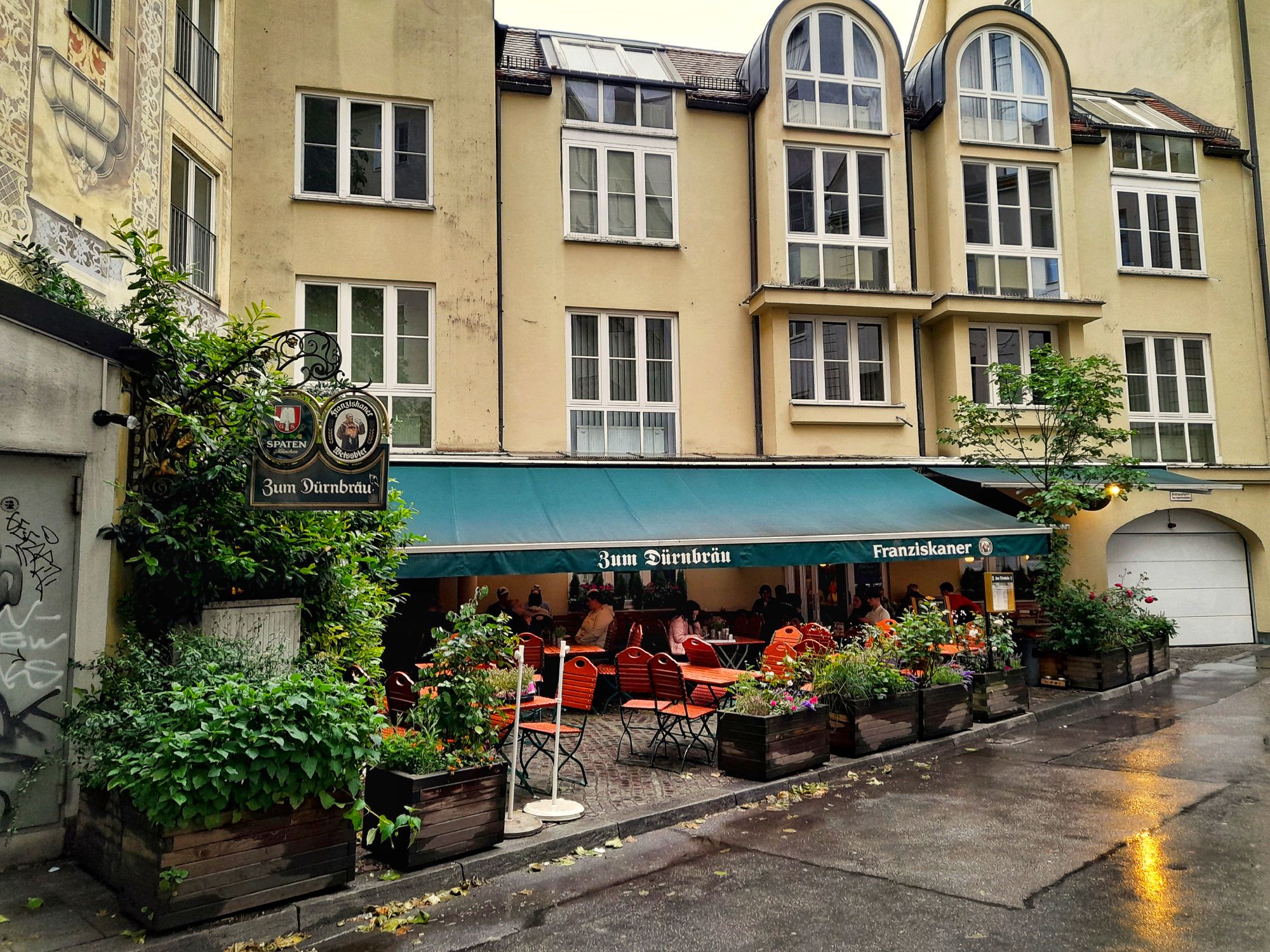
Haidhausen was one of the earliest locations to attract residents in the area of Munich. Aside from the few but important structures that hint at the area’s earlier history as a village, the visitor gets the sense of being far from the city core thanks to the rich greenery, the exquisite architecture, and the relaxed ambiance that permeates the streets. Many quaint cafes, chic shops, and art venues contribute to its bohemian atmosphere. Overall, a leisurely walk through the neighbourhood is the best way to truly appreciate Haidhausen’s beauty.
The origins of Haidhausen: From worker’s settlement to city district
Outside of Munich’s historic core, Haidhausen claims a millennia-long heritage. The term Haidhausen, is derived from the word “haidhusir”, meaning “houses on the heath”. The term first appears in documents in 808 AD, making it older than Munich’s Altstadt. For much of the Middle Ages, the area remained a tiny village of artisans and labourers. Their economy was based on clay extraction, brick-making, and riverbank enterprises linked to the Isar.

The development of an urban district began in the 19th century. Haidhausen was integrated into the city of Munich in 1854, as part of the surge of urban development that accompanied industrialisation. The arrival of the railway, the design of a French Quarter and the fast construction of dense tenement housing for workers transformed Haidhausen completely. By the early 20th century, it was one of Munich’s most densely populated suburbs. Following the devastation of WWII and subsequent restoration and rebirth, Haidhausen progressively shed its working-class reputation. In recent decades, it has become a popular residential and cultural district.
What to see in Haidhausen: Landmarks and local highlights

The Haidhausen area is fairly large and tough to navigate on foot. However, there is a brief walking tour that you can take that covers the most important landmarks in the neighbourhood. A tour that will make you feel the ambiance and comprehend its identity. The tour begins at the Maximiliansbrücke and concludes in Kabelsteg, near the old town centre.
Maximilianeum

The Maximilianeum, perched majestically on the eastern bank of the Isar River, is both an architectural landmark and a symbol of Bavarian history. Commissioned by King Maximilian II in the mid-19th century, the palace was originally designed as a foundation for gifted students from across Bavaria. It offered them scholarships and a place to live while they pursued higher education. Today, it houses the Bavarian State Parliament, blending political significance with cultural heritage. Its grand facade, in Renaissance Revival style, and elevated location provide breathtaking views over the Isar and the city. Maximilianeum is a must-visit starting point for exploring Haidhausen.
Wiener Platz

Wiener Platz is the vibrant heart of Haidhausen, a lively square where Munich’s daily life unfolds amid historic charm. At its centre, a stunning fountain serves as a focal point. It provides a soothing backdrop of flowing water to the lively market and surrounding cafes. The square is framed by old, well-preserved houses and shops with traditional facades. These houses reflect the district’s village-like past and give the area a warm, timeless character. Wiener Platz is a hub of local culture, with street vendors, seasonal markets, and nearby beer gardens offering visitors a taste of authentic Haidhausen life.
Pfarrkirche St Johann Baptist

The Neue Pfarrkirche St Johann Baptist (New parish church of St John the Baptist) is a striking neo-Gothic church, dominating Johannisplatz very close to Wiener Platz with its tall spire and elegant stonework. Built in the 19th century, it serves as both a place of worship and a local landmark, reflecting the district’s rich history and architectural heritage. Its west tower is 97 metres high, making it the third highest church in Munich. Its intricate facades, pointed arches, and serene interior make it a peaceful stop for visitors exploring the area.
Franzosenviertel

Just next to St Johann Baptist starts the Franzosenviertel (French Quarter). It is a picturesque area of Haidhausen with many streets named after French cities, including Orleans, Bordeaux, and Paris. Exquisite late-19th-century buildings with ornate facades, lofty windows, and traditional balconies mark the district, giving the quarter a sophisticated yet intimate ambiance. Tree-lined alleys, peaceful courtyards, and tiny cafes provide a relaxed, village-like atmosphere in the heart of the city, inviting visitors to take a leisurely stroll, explore side lanes, and absorb the blend of old architecture and modern-day life.
Üblacker-Häusl

Preysingstrasse is a picturesque alley at the northern edge of the Franzosenviertel, concealing some of the district’s best-kept secrets. The first is the Üblacker-Häusl, a small, wonderfully kept worker’s cottage that provides a unique look into daily life in old Haidhausen. Now a local museum, it depicts how day labourers and craftsmen lived in the 18th and 19th centuries, with modest furnishings, limited rooms, and basic household objects. The Üblacker-Häusl, nestled among modern structures, serves as a modest reminder of the district’s humble beginnings.
Der Kriechbaumhof

Next to the Üblacker-Häusl is Der Kriechbaumhof of the 17th century. It is one of the few surviving examples of Haidhausen’s early village architecture. Constructed in the traditional Bavarian timber style, this house evokes the humble and rural past of the area. The house has been carefully restored by the Friends of Haidhausen association, who preserved its original wood structure and rustic facade while reinforcing it for long-term stability.

Together with the Üblacker-Häusl and the cottages behind it, they form a unique historical ensemble. The area is a hidden world of narrow passages, flower-filled patios, and quiet yards that once connected workshops and small dwellings. Today, they form one of the area’s most enchanting features with their timeless charm tucked away from the city’s busy streets.
Jugendkirche

The Jugendkirche is a lively youth church next to Üblacker-Häusl on Preysingstrasse 85. It is set in a beautifully renovated old building and provides a warm environment for young people to congregate, think, and create via music, art, and faith by fusing tradition with a contemporary spirit. Its modest yet cosy atmosphere and neighbourhood-focused activities make it an integral element of Haidhausen’s social and cultural life.
Weissenburger Platz

From the Jugendkirche, a nice walk through Franzosenviertel leads to Weissenburger Platz. The route leads you via tree-lined streets and old buildings to the district’s most appealing square. Weissenburger Platz is a circular plaza with a fountain in its centre. Old houses, quiet cafes, and big trees form the scene and provide an opportunity to witness local life. Here you may enjoy the relaxed environment that distinguishes Haidhausen.
Meillerweg and Auer Mühlbach

After Weissenburger Platz and on the way back to the centre of Munich, you come across Meillerweg. This is a quiet, attractive street and park in Haidhausen that runs near the scenic canal Auer Mühlbach. The park and the canal provide a pleasant contrast to the busy city streets nearby. Locals and visitors can take in the canal’s peaceful waters, modest footbridges, and rich flora. Historically, the Auer Mühlbach powered local watermills and breweries, and its scenic banks now provide a peaceful path for strolling, running, or cycling, with Meillerweg serving as a charming entrance to this hidden urban refuge.
Isarstrand

Close to the Meillerweg park, Isarstrand dominates the view as you cross Kabelsteg over the Isar River. It is a popular riverside area, providing a peaceful getaway from the city’s hustle and bustle. It’s ideal for sunbathing, picnicking, or taking a leisurely stroll, thanks to its sandy sections, grassy spaces, and magnificent river views. Cyclists and joggers frequently share the riverbank trails, while cafes and beer gardens nearby invite tourists to relax with a view. The Isarstrand not only provides a natural hideaway in the midst of Munich, but it also serves as a social hub where people can relax, make new acquaintances, and soak up the laid-back Bavarian attitude.
Haidhausen’s cafe culture and local cuisine
Haidhausen is a lively neighbourhood where cafe culture and local food merge perfectly, with options for both leisurely coffee breaks and hearty meals.
Visitors can relax in the warm environment of Cafe Haidhausen (Franziskanerstrasse 4), which serves hearty breakfast dishes. Also, Helma (Preysingstrasse 18) is perfect for waffles, baguettes, and a variety of teas. Finally, Cafe Voila (Wörthstrasse 5) is a beloved establishment, offering a cosy atmosphere for breakfast, brunch, and evening gatherings. These cafes highlight Haidhausen’s blend of classic charm and contemporary flair.

Zum Kloster (Preysingstrasse 77) is a cosy Bavarian restaurant at a quiet corner of Haidhausen. With its vintage appeal, hearty seasonal cuisine, and relaxing ambiance, it is a popular spot among locals. Rue des Halles (Steinstrasse 18) is a French-inspired brasserie. It is regarded as the oldest French restaurant in Munich. It serves typical bistro cuisine in a pleasant, welcoming setting. Its rustic decor and freshly cooked menu make it ideal for a casual lunch or dinner in the heart of the area. Whatever you choose, Haidhausen’s combination of eateries makes every trip through its streets a culinary adventure.
Haidhausen’s culture and art life

Haidhausen is a vibrant cultural district in Munich that combines historic charm with modern ingenuity. The district’s streets are dotted with theatres, galleries, artisan workshops and music venues. Art lovers can visit places like LOFT 11 Gallery (Steinstrasse 11), which exhibits photography, painting, and sculpture. Also, Gallery Lau (Innere Wiener Strasse 59) is noted for thought-provoking contemporary works that bridge tradition and progress. Festivals, open-air markets, and seasonal festivals draw inhabitants and visitors together, resulting in a vibrant ambiance that honours both the neighbourhood’s rich heritage and its present artistic flair. Haidhausen’s cultural life is both accessible and profoundly embedded in its distinctive urban character.
A walk to Munich’s history and culture

A walk across Haidhausen takes you through the history of Munich’s common people as well as the city’s cultural heart. Do not limit your visit to the ten things mentioned in the article. Allow yourself to be enchanted by the neighbourhood’s charm and tranquillity. Engage with locals at the shops and cafes, take a stroll among the greenery, and enjoy a brief respite from the city.
Read also our article: Viktualienmarkt Munich: Best stalls, local delicacies and insider tips