The Mediterranean isn’t a region that responds well to rushing from one stop to the next. Greece and Italy, in particular, work best when they’re not treated as highlight reels but as places with everyday rhythms, quirks, and contrasts. Both countries are easy to romanticise, yet the real appeal tends to show up in quieter moments: a ferry crossing that runs late, a long lunch stretching into the afternoon, a small museum that wasn’t on the original plan.
This guide looks at five grounded ways to experience Greece and Italy without rushing or chasing trends. It focuses on places that hold layers of history, lived-in culture, and practical travel value. Not every experience will suit every traveller, but when taken together, they offer a flexible framework for exploring the Mediterranean with a bit more intention.
Balanced island and mainland exploration in Greece
Greece makes more sense when the islands and mainland are treated as a single story rather than separate trips. Athens is often used as a quick stopover, but spending proper time there helps ground everything else. The Acropolis, the Acropolis Museum, and the National Archaeological Museum add context that carries through to later island visits. Neighbourhoods like Koukaki or Pangrati give a feel for daily life without trying too hard.

The mainland provides context that changes how the islands are experienced. Crete offers scale and variety, with inland villages, walking routes like Samaria Gorge, and quieter southern beaches around Loutro. The Cyclades offer a different pace altogether, especially on islands such as Naxos and Paros, where agriculture and tourism still overlap. Moving between these places gives a sense of contrast without constant packing and unpacking.
Some of the Greek package holidays to choose from offer a sensible balance of transport, accommodation, and time, particularly when combining mainland and islands. If they’re put together thoughtfully, they don’t get in the way. They smooth out the hassles of travelling and make it easier to spend time walking around, sitting somewhere familiar, or doing something unplanned.
Layered history and coastal experience in Greece
Rhodes is the perfect place to experience Greece’s history and its coastal life. Often described in fragments, either as a mediaeval old town or a beach destination, it works best when both sides are explored together. The Old Town, enclosed by thick stone walls, is genuinely lived in. Early mornings are quiet enough to hear footsteps echo on the cobbles. The Palace of the Grand Master and the Street of the Knights are obvious stops, but smaller details like courtyards and residential alleys matter just as much.

Outside the town, the island opens up quickly. Lindos sits above its bay, with whitewashed houses climbing towards the acropolis. The walk up is manageable, and the views explain why the site mattered long before tourism arrived. On the west coast, beaches like Fourni or Kopria feel rougher and windier, better suited to walking and stopping rather than sunbathing all day.
Rhodes also works well for travellers who like history without being surrounded by museums. Sites like Kamiros or the remains at Filerimos Hill are open, quiet, and easy to explore. There’s enough room to think, admire, and leave when ready.
Mediterranean luxury living in Italy
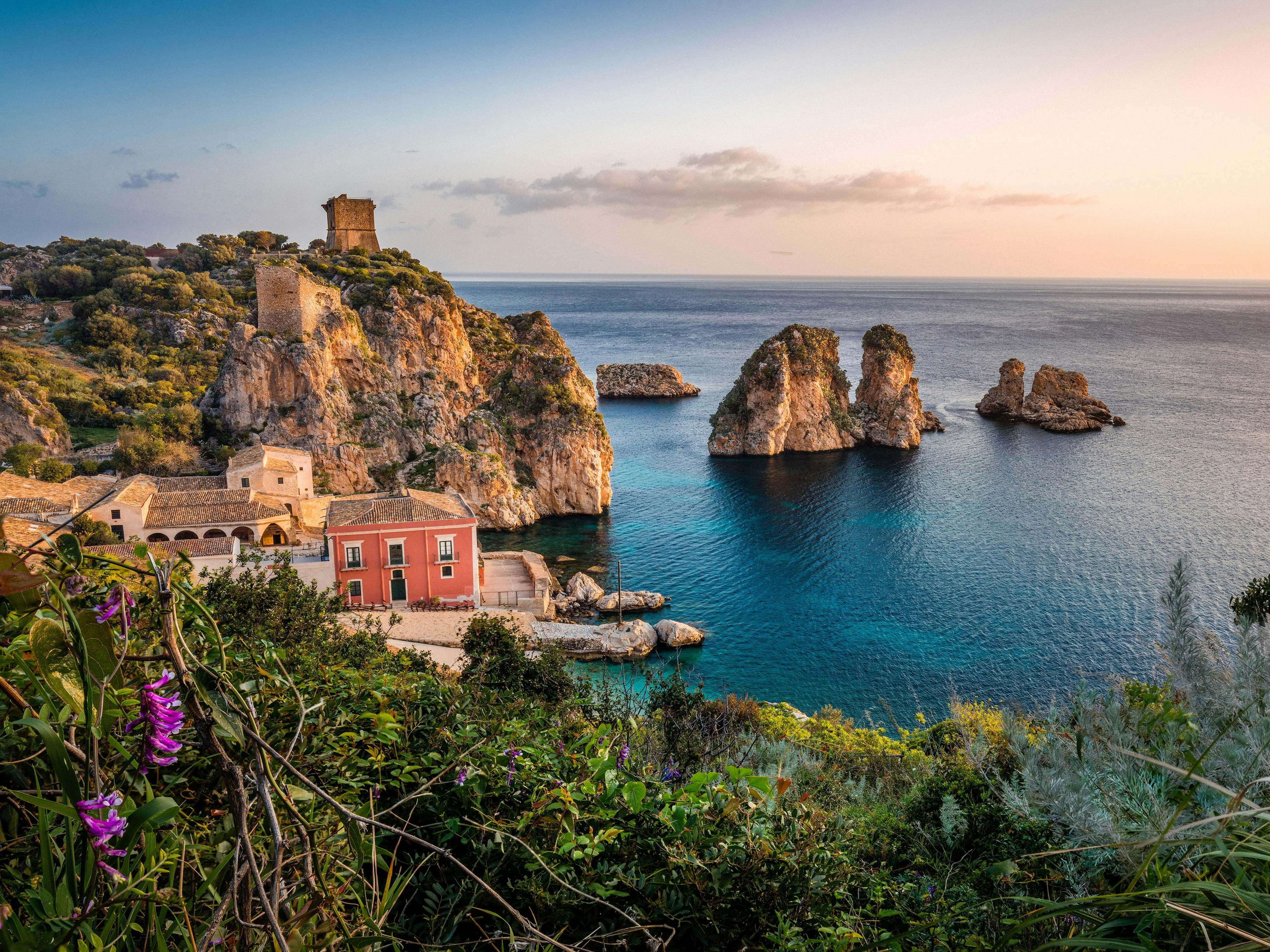
Travellers often get more out of southern Italy by staying outside the main cities, and Sicily is a prime example. Basing yourself inland or along quieter stretches of coast gives a different perspective, especially when your accommodation becomes part of the experience. High-end vacation stays within exclusive Sicily villas, for example, provide privacy, space, and the freedom to live at your own pace, often surrounded by olive groves, vineyards, or calm coastal views.

These villas work best when paired with short, focused day trips. From the southeast, towns like Noto, Modica, and Ragusa are easy drives, each with its own take on baroque architecture and local food traditions. Markets in places such as Ortigia, Siracusa, provide practical stops rather than just sightseeing exercises.
This style of stay suits travellers who enjoy cooking occasionally, reading outside, or picking outings based on mood rather than schedule. Even busy spots like Taormina feel different when approached as half-day visits instead of a base.
Compact scale and artistic legacy in Italy
Florence is dense, walkable, and unapologetically busy, but its scale keeps it manageable. Most major sights sit within a compact area, making it possible to see a lot without relying much on transport. The Uffizi, the Duomo, and the Accademia are unavoidable, yet they don’t tell the whole story. Smaller spaces like the Bargello or the Museo dell’Opera del Duomo often feel more rewarding.

Skip the main museums for a moment, and the city shows itself in everyday life. Cross the Arno into Oltrarno, and you’ll find workshops, small bars, and streets that haven’t been tidied for tourists. San Lorenzo’s market is best for everyday food shopping, not just souvenirs. Churches such as Santo Spirito or Santa Maria Novella offer quiet breaks from crowds, especially outside peak hours.
It’s easier to appreciate Florence when you treat it like somewhere to spend time, not somewhere to conquer. Early starts help, as do late evenings when day-trippers leave. Walking the same route twice often reveals more than ticking off another gallery. The artistic legacy is everywhere, but it’s the repetition of small details that makes the city stick.
Youthful energy and food culture in Greece
Thessaloniki and Athens, along with parts of Mykonos outside the busiest nightlife areas, offer a youthful energy rooted in food, conversation, and everyday life. The best places to stay in Thessaloniki include neighbourhoods like Ladadika, Ano Poli, and the waterfront, which put you close to cafes, markets, and lively streets. Cafes fill up slowly in the morning and empty just as gradually, giving space to observe daily life.

Shifting away from a checklist mindset changes how food is experienced. Meals stop feeling like scheduled tasks and start fitting naturally into the day. A long lunch in Psiri, a late dinner near Exarchia, or pastries picked up from a neighbourhood bakery can shape an entire afternoon. These moments don’t need commentary or documentation.
The psychological benefit comes from permission to linger. Travel becomes less about collecting places and more about absorbing atmosphere. Greece supports this approach well, especially in cities where daily life is visible and shared.
So what actually makes Greece and Italy feel worth returning to?
Travellers get the most out of Greece and Italy when they allow for some flexibility and skip rigid itineraries. Ferries run late, museums close early, and plans shift without apology. That’s part of how these places function.
Experiencing the Mediterranean through balanced itineraries, historically layered islands, private rural stays, compact cities, and food-centred routines delivers variety without breaking the experience into pieces. None of these approaches requires extreme budgets or insider access, just a willingness to move at a human pace.