


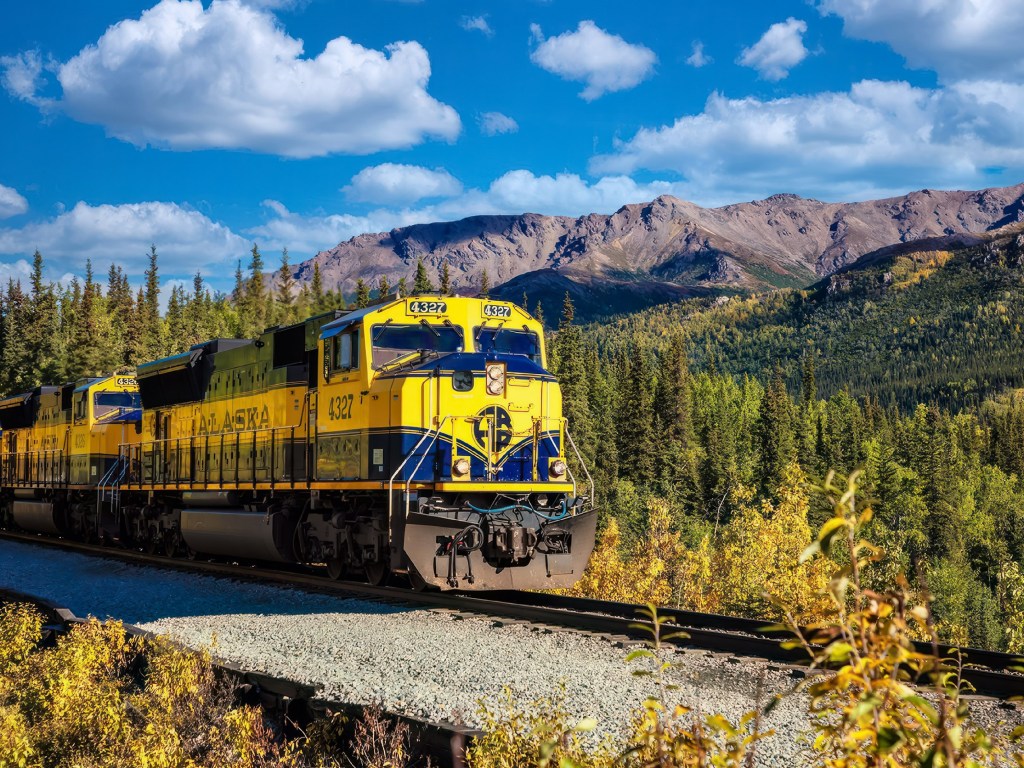





Travelling by train across America is not just a way to reach your destination. It is an experience filled with scenery, rhythm, and stories that highways and airports rarely capture.
In the US, train travel, in recent years, has seen a drop in passengers. People are opting for planes and even cars for long-distance journeys. The country, at the same time, is also in dire need of more passenger trains. Yet, people still prefer embarking on these train rides from time to time just for the experience. For children, in particular, this mode of travel can be magical.
Parents often search for meaningful travel experiences that go beyond entertainment. A railroading trip provides exactly that, combining fun, history, and opportunities for learning. If planned thoughtfully, this journey can open your children’s eyes to a part of American culture often overlooked.
If you’re going on an American railroading trip with your kids, here’s how you can make the most of it.

Planning routes that inspire curiosity
The choice of route can set the tone for your children’s entire experience. A short scenic line through mountains or along a coastline offers wonder without overwhelming younger travellers. Longer cross-country journeys let older kids explore a sense of distance and geography as they pass through multiple states.
The Grand Canyon Railway, Adirondack, Rocky Mountaineer, and Cass Scenic Railroad offer some of the most scenic train rides in the US. Parents should highlight to their children how each route tells a story. The trains that wind through coal country, farmland, or desert plains show how the country was shaped.
Kids may find it exciting to imagine the workers who laid these tracks and the passengers who rode them decades ago. Turning the route into a story keeps curiosity alive throughout the trip.

Engaging kids with activities along the way
Children can become restless if the hours are not broken up. Packing activity kits or journals gives them something purposeful to do while watching the view. Drawing what they see outside the window helps them connect their creativity with the journey.
Older kids may enjoy tracking progress on a map or using books about American geography. Tying the journey to real-world knowledge adds another layer of excitement. Each stop is also a chance to stretch, explore, and find small local gems.
These moments outside the train become part of the railroading memory.

Educating kids about trains and their legacy
A railroading trip is not complete without introducing children to the history of trains. Museums in many towns showcase restored locomotives and carriages. These places let kids climb inside and imagine what travelling felt like in the past. Stories about the transcontinental railroad and the workers who built it give depth to what might otherwise just feel like a ride.
There is also a darker side worth explaining when children are old enough to understand. Railroads have historically exposed many railroad workers to toxic materials. Railroad cancer lawyers today represent families involved in railroad cancer lawsuits due to prolonged exposure. Workers breathed in dust, exhaust, and substances like benzene during their daily shifts.
As Gianaris Trial Lawyers notes, many faced cancer years later because of the conditions they endured. This reminder helps kids see that history is not only about achievements but also about human struggles and the importance of safety.

Creating connections with fellow passengers
One of the unique features of train travel is the opportunity to meet new people. Unlike aeroplanes, where passengers remain in their seats, trains allow more freedom to move around and interact. Dining cars or observation cars often bring strangers together over shared views or meals.
Encouraging children to engage in polite conversations with other passengers can broaden their social awareness. They may hear stories from people travelling for different reasons, whether for family, work, or adventure. These exchanges add unexpected lessons to the trip, showing kids how diverse life can be beyond their daily circle.
Letting kids take ownership of the journey
When children feel part of the planning, they become more invested in the experience. Allowing them to choose snacks, select a book about trains, or even pick a seat can give them a sense of control. Parents can guide them through options while giving space for their preferences.
This ownership builds responsibility in subtle ways. A child who helps carry the family’s snacks or keeps track of a small backpack feels proud to contribute. These small acts turn travel into a shared project rather than something parents simply manage.

Frequently Asked Questions (FAQs)
What is the best age for kids to enjoy a railroading trip?
Children as young as four or five can start appreciating short scenic rides. Older children and teenagers often enjoy longer journeys because they understand the geography and history better. Every age group can find something meaningful if the trip is planned thoughtfully.
Are there safety concerns parents should be aware of during a railroading trip?
Yes, parents should always supervise children closely on platforms and when moving between cars. Trains are safe, but unfamiliar surroundings and heavy equipment can pose risks. Clear rules, such as holding hands and staying seated, ensure the experience remains both enjoyable and safe.
Do train routes in America provide educational opportunities for kids?
Many routes pass through regions rich in history, industry, and culture. Pairing the journey with museum visits, historical stories, or books about trains can turn the ride into an educational experience. It helps children understand not just how people travel, but also how railroads shaped the country.
An American railroading trip with kids is a chance to weave learning, imagination, and family connection into one adventure. Children discover not only the beauty of the landscapes but also the history, both bright and difficult, that trains carry with them.
The journey gives families space to slow down, talk, and connect in ways that cars and planes rarely allow. For many children, it may become the trip they never forget, sparking curiosity and shaping their love for exploration well into adulthood.


